





Good design today isn’t just about standing out visually, although that still matters. It’s about helping users move smoothly from start to finish.
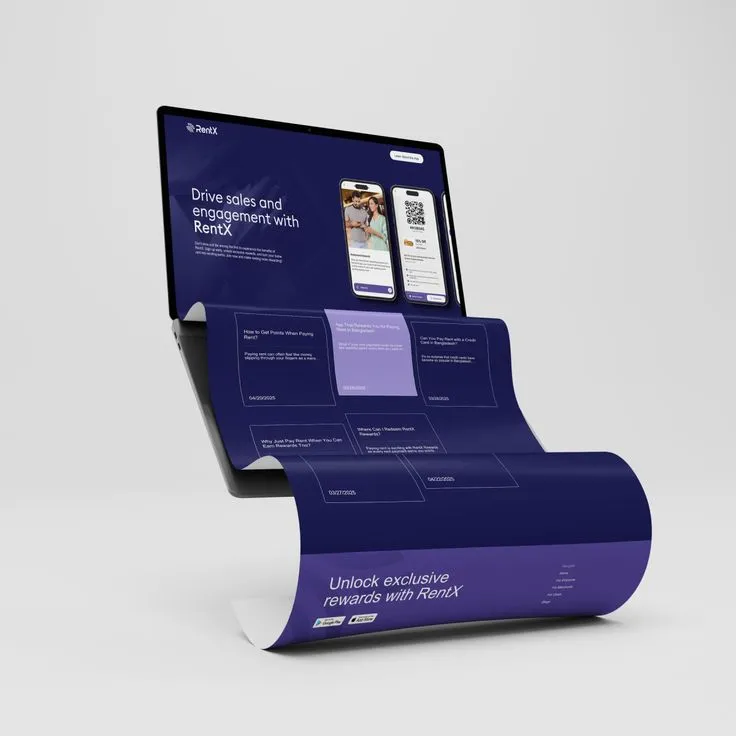
Users in 2025 expect fast, intuitive experiences. They value clarity, speed, and confidence far more than complex layouts or heavy visuals. According to the Baymard Institute’s 2024 Checkout UX Benchmark, 65% of top eCommerce websites still fall short in providing a frictionless checkout process.
This figure highlights a clear disconnect between what brands build and what users truly need. Modern audiences no longer tolerate slow responses or confusing navigation. They reward digital experiences that are direct, efficient, and seamless from the first click to the final conversion.
Small, intentional updates often create noticeable improvements in user satisfaction. Adjusting button placement, refining microcopy, improving loading time, or adding a clear feedback message can lead to better engagement and conversion rates.
But at times, a complete redesign becomes unavoidable. When responsiveness issues pile up or outdated frameworks cause data clutter, optimizing individual components is no longer enough. A redesign allows teams to rebuild their digital foundation with clean architecture, modern scalability, and stronger responsiveness across devices.
The latest UI/UX trends emphasize balance, knowing when to refine and when to rebuild. Design teams are focusing on:
When every design decision serves a clear purpose, users move naturally through the experience, resulting in higher trust, engagement, and satisfaction.

The future of UX is rooted in simplicity. Great design doesn’t add more; it removes what’s unnecessary. Users should never have to stop and think about what to do next.
When the design feels effortless, trust grows naturally, and loyalty follows.
As brands scale, maintaining design consistency across platforms becomes more complex. That’s why modular design systems are now a foundational part of modern digital product development.
Instead of rebuilding layouts from scratch, organizations rely on component-based systems that provide reusable UI elements aligned with the brand’s identity. The design specialists at Aaron Digital Services apply this same principle to ensure visual harmony, responsiveness, and faster delivery across every platform.
This structured approach saves production time, minimizes inconsistencies, and creates a reliable, unified experience for users, no matter where they engage.
Strong design decisions are no longer based on aesthetics or guesswork; they’re driven by data and observation.

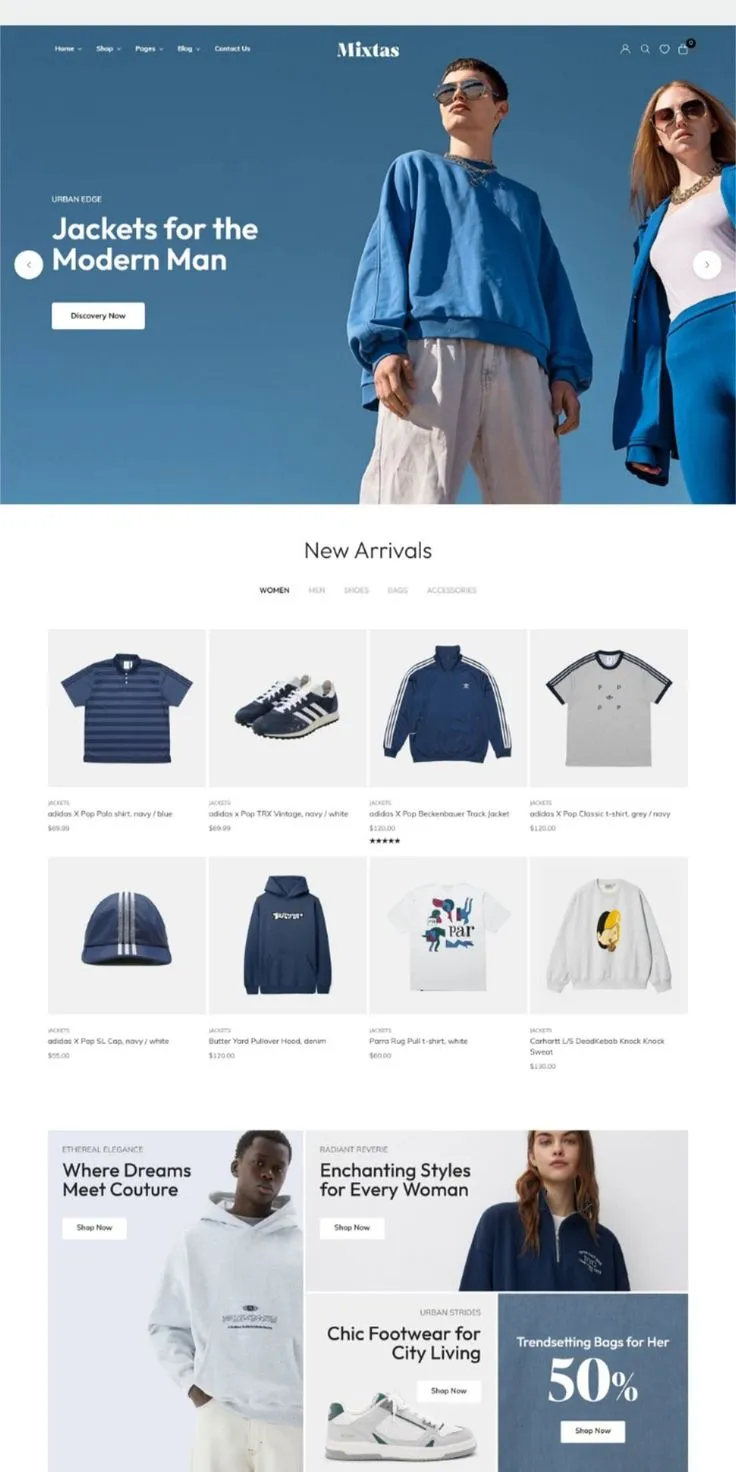

A modern data-informed UX process involves:
This iterative approach ensures that every adjustment contributes to long-term product growth. Businesses that follow this path see measurable improvements in engagement, retention, and conversion rates.
A visually stunning interface can attract attention, but performance keeps users coming back. In today’s fast-paced digital world, people remember how smooth the experience felt, not just how it looked.
Every millisecond of loading time, every clear navigation cue, and every micro-interaction influences user perception. Websites and apps that prioritize performance-driven design gain a measurable competitive edge, converting visitors faster and building deeper customer trust.
At Aaron Digital Services, we focus on designing experiences that balance aesthetics with performance, ensuring that every interaction feels seamless while delivering real business impact.


